



2nd Thoracic Surgery Clinic Endoscopic Thoracic Surgery Unit
Surgical Clinics
Call center
210 618 4000 The 2nd Thoracic Surgery Clinic of IASO General Clinic provides high-quality services in order to treat patients with conditions of the Thorax.
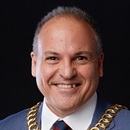
Dr. Papagiannopoulos has 25 years of experience in the use of microsurgical techniques.
He created and organized one of the largest minimally invasive surgery centers worldwide, in Leeds, UK, and initiated the Video-Assisted Thoracoscopic Surgery (VATS) program 20 years ago. The Department has performed more than 7,000 lung lobectomies, with a total number of over 45,000 cases, and has trained surgeons on a global basis, including more than 15 Greek Thoracic Surgeons who received further training.
He remains a certified trainer globally, for both simple and complex lung parenchyma resections using microsurgical techniques.
GENERAL INFORMATION
All thoracic surgery procedures of moderate and major complexity are performed in the fully equipped and well-organized 2nd Thoracic Surgery Clinic, involving organs of the thorax such as the lungs, thoracic wall, diaphragm, pleura, trachea and bronchi, esophagus, and mediastinum, and addressing both benign and malignant conditions.
The clinic’s experienced and highly specialized medical and nursing personnel are always at the patient’s and family’s side, providing high-level medical services and nursing care.
SERVICES PROVIDED
The following procedures are performed at the 2nd Thoracic Surgery Clinic:
Diaphragm Conditions
- Diaphragmatic hernia. Treatment of diaphragmatic hernias of any severity using thoracoscopic techniques.
- Diaphragmatic paralysis with dyspnea. Treated with thoracoscopic diaphragmatic plication, resulting in minimal hospitalization time and rapid recovery.
Thoracic Wall Conditions
Benign conditions
- Pectus excavatum. The team has 25 years of experience in pectus excavatum repair using NUSS, RAVITCH, or hybrid techniques, as well as vacuum bell devices, depending on the patient’s needs.
- Benign tumors of the chest wall. Possibility of removal through small incisions with the use of customized materials for proper functional reconstruction of the chest wall.
- Chest wall injuries such as rib and sternal fractures. The thoracic surgery team has multiannual experience from centers in South Africa and England in fracture repair and treatment of associated thoracic injuries.
- Complex procedures for congenital chest wall deformities and scoliosis in collaboration with the experienced team of Orthopedic Surgeons.
Malignant conditions
- Primary and metastatic chest wall tumors (sarcomas, metastatic breast tumors), with extensive experience in the use of customized materials.
Benign and Malignant Mediastinal Conditions
- Disorders of the thymus gland. Thymectomy through small incisions (thoracoscopic technique).
- Anterior mediastinal masses. Removal via minimally invasive or open techniques depending on size and location. This category also includes large thyroid tumors or ectopic parathyroid glands, always in collaboration with the experienced team of Endocrine Surgeons. In certain cases, small ectopic tumors can be removed through a 30-40 mm incision using a video mediastinoscope.
- Lymph node biopsies and excisions using a video mediastinoscope.
- Mediastinal tumor biopsies using minimally invasive techniques with very short hospital stays (most patients are discharged on the same day).
Lung Conditions
Benign conditions
- Pneumothorax. All procedures are performed through a single 20-mm incision with a short hospital stay. Postoperatively, digital chest drainage systems are used for accurate and thorough patient monitoring.
- Emphysema. The thoracic surgery team has extensive experience in all emphysema treatment techniques through lung volume reduction surgery (LVRS) or placement of endobronchial valves without the need for surgical incisions.
- Cystic or solid benign lesions. Thoracoscopic excision through 2 or 3 small incisions instead of a large one.
- Lung biopsies. All performed thoracoscopically through a single incision (VATS).
Malignant conditions
- Primary or metastatic lung cancers. The team has 25 years of experience in treating all types of malignant conditions using the full range of surgical procedures. Lung resections are performed thoracoscopically with small incisions in more than 90% of patients. It is worth mentioning that in 2006, the Director of the team organized the first thoracoscopic lobectomy program in England, with a current total of more than 7,000 resections performed.
Tracheal and Bronchial Conditions
The thoracic surgery team has extensive experience in treating both benign and malignant conditions. Airway stenoses are treated with bronchoscopy and stent placement. Moreover, the clinic has performed numerous tracheoplasties for cases of tracheomalacia in patients with severe emphysema, as well as tracheal resections for malignant tracheal tumors.
Thoracic Outlet Syndrome
Resection of the first rib or cervical rib via thoracoscopy (VATS).
VATS Sympathectomy
Performed for hyperhidrosis. Alternatively, botulinum toxin (Botox) can be used for patients who do not wish to undergo surgery.
Pleural Conditions
- Benign conditions and pleural effusions. Diagnostic or therapeutic surgical procedures performed using the minimally invasive VATS technique.
- Empyema drainage. The majority of these procedures are performed using the VATS technique.
- Malignant conditions and pleural effusions. Minimally invasive surgical procedures using the single-port VATS technique.
Both the Emergency Department (ED) and the Intensive Care Unit (ICU) operate on a 24-hour basis and respond to all thoracic surgery cases. Furthermore, they are in close collaboration with the Pulmonology and Oncology Clinics so as to ensure comprehensive management of patients with thoracic conditions. In addition, the team of the 2nd Thoracic Surgery Clinic maintains excellent collaboration with other surgical specialties in order to treat patients with complex surgical problems requiring multidisciplinary collaboration and teamwork among specialized scientists.
Information
Contact Number:
Contact Person
- Ms. Martha Kotti6945331131
Staff
Director
Consultant
News